
Soundproof Window Insert Buying Guide
How Outside Noise Enters Your Home
Everyday noise from traffic, trains, and nearby activity often enters through windows and doors, which are usually the weakest points for sound insulation. This leads many homeowners to look for sound resistant windows and the best sound insulation windows to improve comfort.
Soundproof window inserts provide an effective, non-invasive solution by adding an interior layer that reduces noise without replacing existing windows. This guide covers how soundproof window inserts work, how much window inserts cost, and how to measure for window inserts.
Seal the Gaps. Silence the Noise.
What is a Noise Reduction Window?
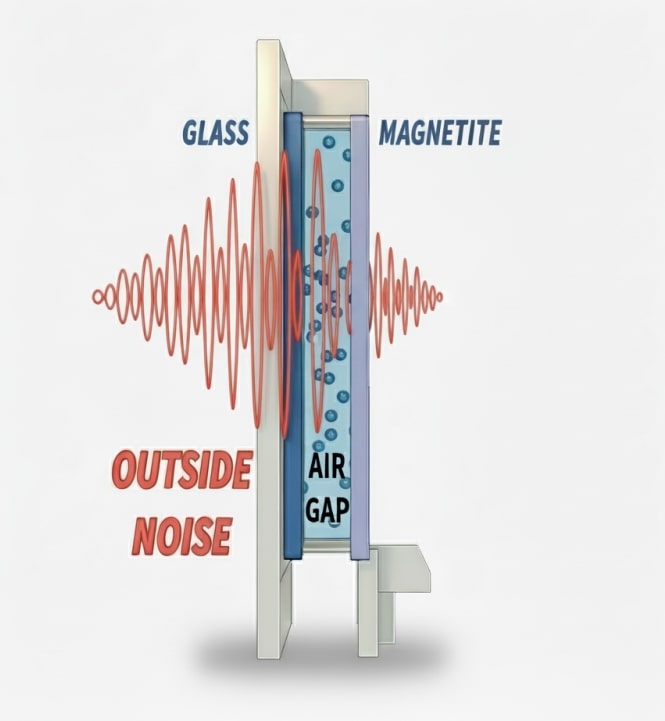
A noise reduction window uses an added interior layer to help limit outside sound before it enters your space. With soundproof window inserts installed on the inside of an existing window, a wide, sealed air gap is created between the panels. This air space absorbs and reduces noise, improving overall sound insulation without replacing the original window. Magnetite inserts are made from durable, clear acrylic or glass designed for long term performance and comfort.
Why Use Noise Reduction Windows?
Standard windows often allow sound to pass through due to thin glass and small gaps around the frame. This makes it difficult to achieve true sound resistant windows using traditional construction alone. While no solution can eliminate all noise, soundproof window inserts significantly reduce loud and distracting sounds, helping create a quieter and more comfortable indoor environment.
As noise pollution continues to increase in busy cities and residential areas, more homeowners are choosing soundproof window inserts as one of the best sound insulation window solutions available today.
Bring Quiet Back to Your Home
How Do Window Inserts Work?
Soundproof window inserts add a secondary interior panel to your existing window that creates a sealed air space between the original glass and the insert. This air gap acts as a buffer zone that slows down and weakens sound waves before they enter your room. Their airtight magnetic seal prevents noise from leaking through small gaps around the frame. Window inserts significantly improve noise reduction without removing or replacing your current windows by combining the right martial thickness with properly sized air cavity.
WHY BUY WINDOW INSERTS?
Benefits of Soundproof Window Inserts
Soundproof window inserts offer a practical and cost-effective way to reduce unwanted noise. They improve indoor comfort without the expense and disruption of full window replacement. Few of their benefits are:
Effective Noise Reduction
Window inserts create a sealed air gap that reduces outside noise across a broad frequency range. This helps minimize traffic and neighborhood sounds, making your home, office, or studio noticeably quieter and more comfortable.
Cost-Effective Alternative to Replacement
Replacing entire windows can be expensive and time-consuming. Soundproof inserts provide strong acoustic performance at a fraction of the cost without construction work, frame removal, or major disruption to your daily routine.
Quick and Non-Invasive Installation
Inserts are installed on the interior side of your existing windows, meaning there is no need for structural changes. Their installation is clean, fast, and does not damage your current window frames or finishes.
Improved Energy Efficiency
The sealed air cavity not only reduces noise but also improves insulation. Window inserts can help maintain indoor temperatures and potentially lower heating and cooling costs by limiting air leakage and heat transfer.
Custom Fit for Better Performance
Soundproof window inserts are custom-measured to ensure a tight seal and maximum performance. A precise fit reduces sound leakage around the edges and enhances overall noise control compared to generic, one-size-fits-all solutions.
Selection Factors to Consider When Buying a Noise Reduction Window
To buy the right sound resistant window insert for your needs, you must do your research. You can choose the best sound insulation window insert based on the following factors:
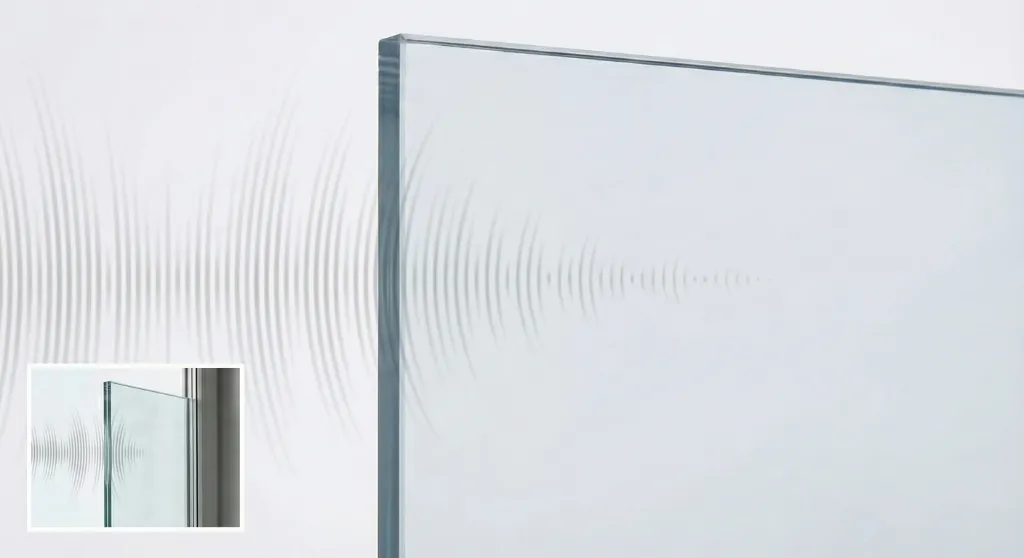
While no windows are fully soundproof, there are several steps one can take to reduce the noise transmission in their home. Noise travels in two different ways: One is through the air and the other is to the material your dwelling is composed of. There are two ways to measure noise: they are Sound Transmission Class (STC) and Outdoor/Indoor Transmission Class (OITC).
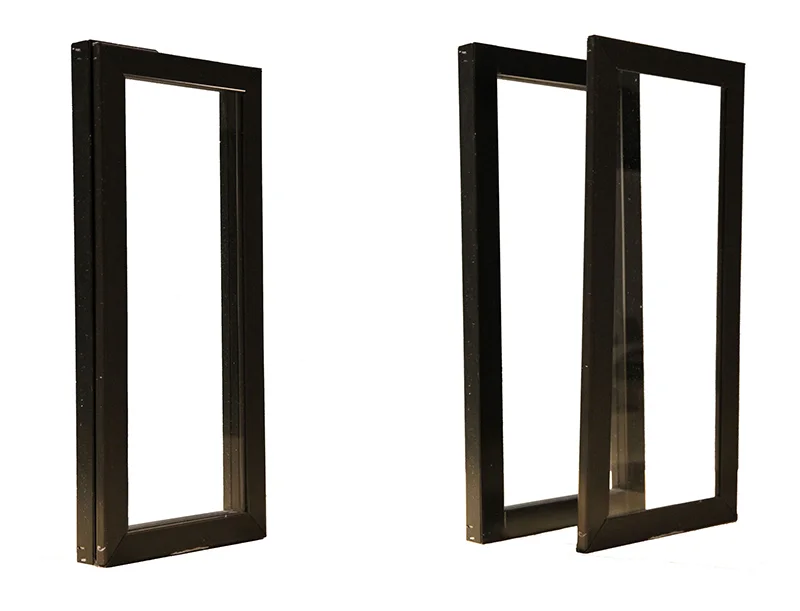
Window selection is based on different features related to the sound reduction. Adding additional panes of laminated glass or acrylic improves the effectiveness for slowing sound transmission. While choosing a noise-resistant window, one must correlate the features of a window to their performance.
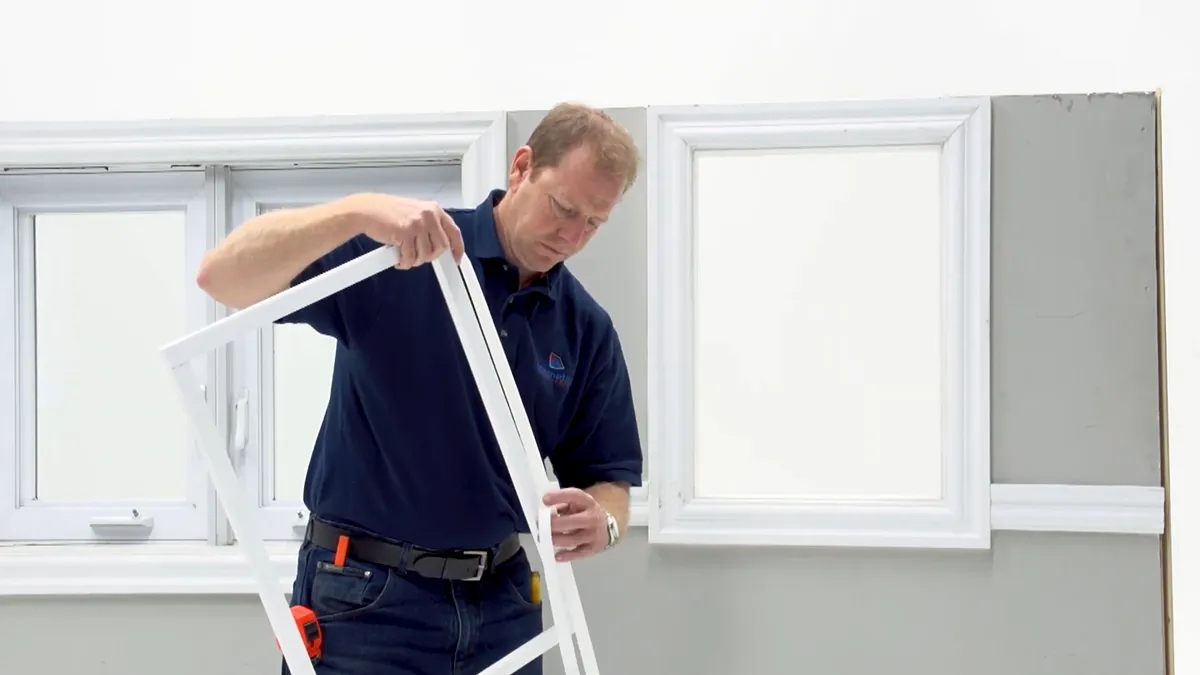
Sound resistant windows must have a lab-tested weather-stripping coating that substantiates their performance. While shopping for sound resistant windows, you must consider for what frequency one wants to sound-proof against.

According to the Acoustics Industry, the sound-stopping quality of windows is measured on the STC scale. It means the higher the number of STC, the more a window inhibits sound. With your basic single-pane window you have an STC rating of around 26. A dual-pane window has an average STC rating of 28. However, windows having an STC rating of 45-50 are good sound-proofed windows that can block as much as 95% of noise.
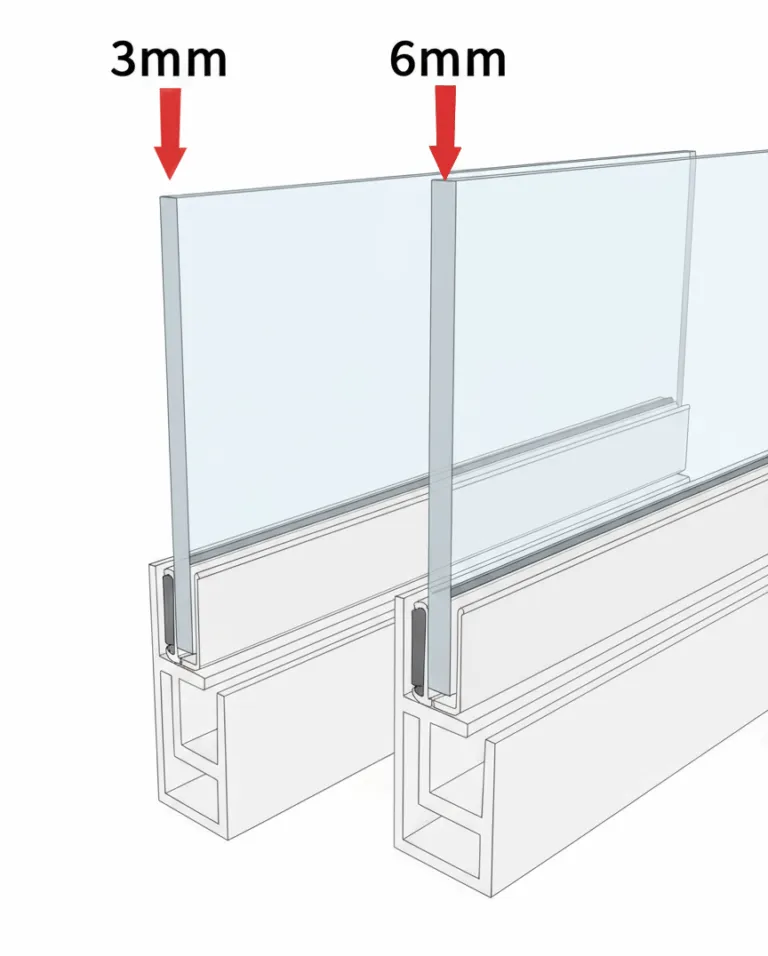
Generally, the thicker the glass or acrylic, the less noise one will hear. Magnetite offers 3 mm or 6 mm thickness.
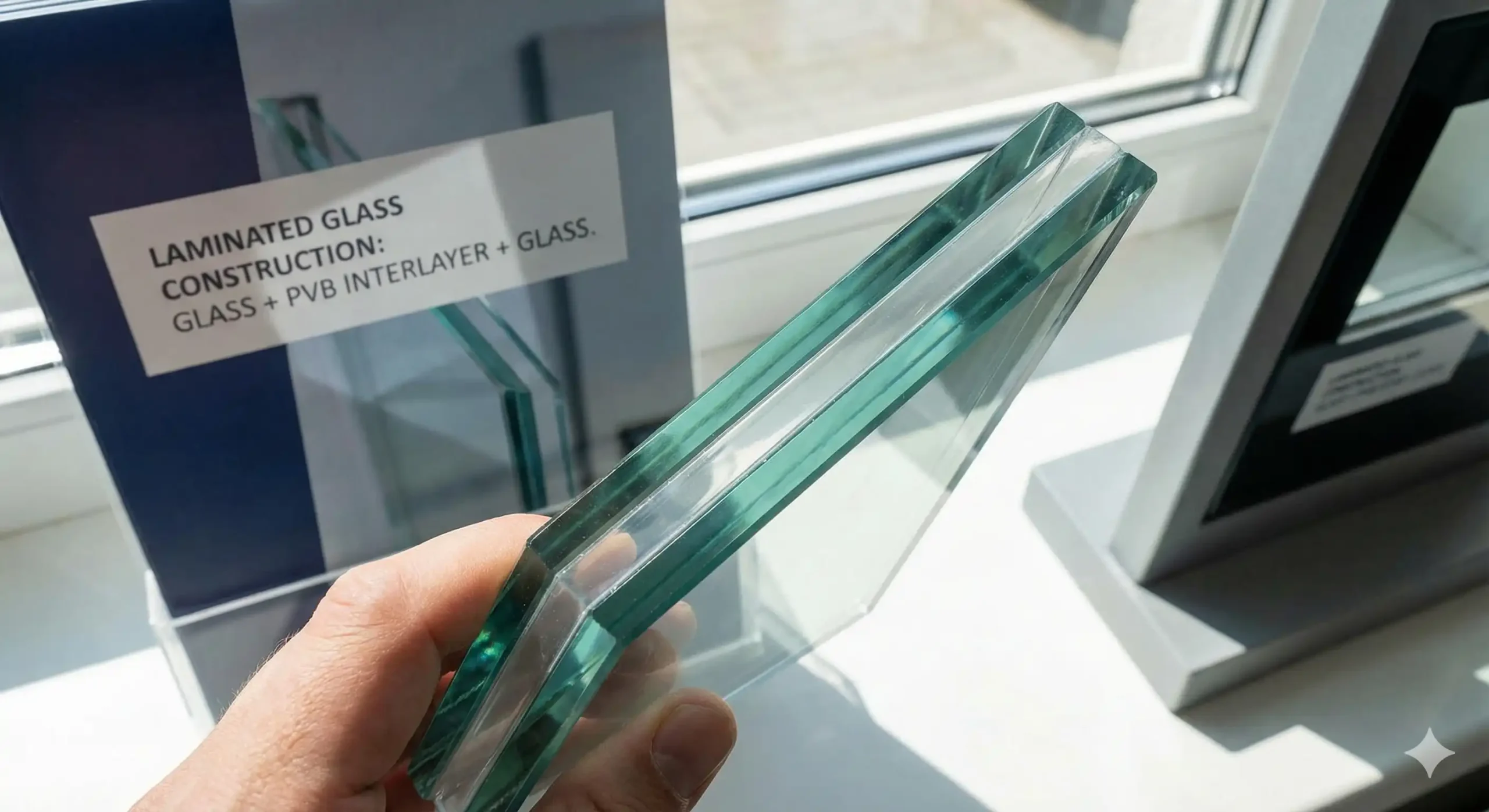
A layer of, for example, PVB (polyvinyl butyral) between the sheets of glass can reduce noise pollution without affecting the clarity of the glass. Magnetite offers custom window inserts in acrylic, tempered glass, or laminated glass.
The greater the gap between sheets of glass, the better is the protection. Adding heavy gases like argon in the gaps will reduce noise even further.
WHAT MAKES A WINDOW SOUNDPROOF
Sealing gaps and cracks around windows is essential, as even small openings allow sound to pass through. Proper sealing helps create more sound resistant windows, but sealing alone is often not enough. Soundproof window inserts add a second interior layer that creates a wide, sealed air space. This design improves noise control and is considered one of the best sound insulation window solutions without replacing existing windows.
When choosing windows for noise reduction, look for features such as:
Noise Reduction up to 42 Decibels
Airtight, Double-Sealed System

How Soundproof Inserts Compare to New Windows
While full window replacement can reduce noise, it is often costly, disruptive, and unnecessary. Soundproof window inserts provide a simpler alternative by installing on the interior of your existing windows. This approach improves noise reduction without construction, frame removal, or long installation timelines.
Soundproof window inserts are widely used in homes, offices, classrooms, studios, and healthcare spaces because they deliver strong performance with minimal disruption. Magnetite helps guide you in selecting the right insert material and thickness based on your noise concerns, budget, and space requirements, making it easier to achieve effective sound insulation without overbuilding or overspending.
soundproof window experts
Expert Care for Windows That Last
Research by Dr. John Davy at the CSIRO has shown that soundproof window inserts will reduce more noise than single glazed windows or even traditional double glazed units. This is due to the large buffering air cavity between two windows. The larger the air cavity the more noise the window system can reduce.
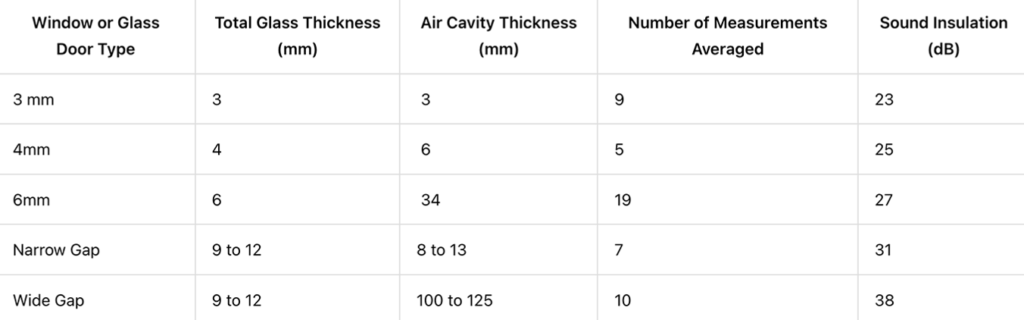
Magnetite soundproof window inserts use an airtight magnetic seal and slim framing to create a large sealed air cavity, which is key to achieving some of the best sound insulation window performance without replacing existing windows.
By pairing this wide air gap with acrylic or laminated glass, Magnetite creates sound resistant windows that effectively reduce noise across a wide frequency range from approximately 400 Hz to 20,000 Hz, including common sounds from traffic, trains, and nearby activity.
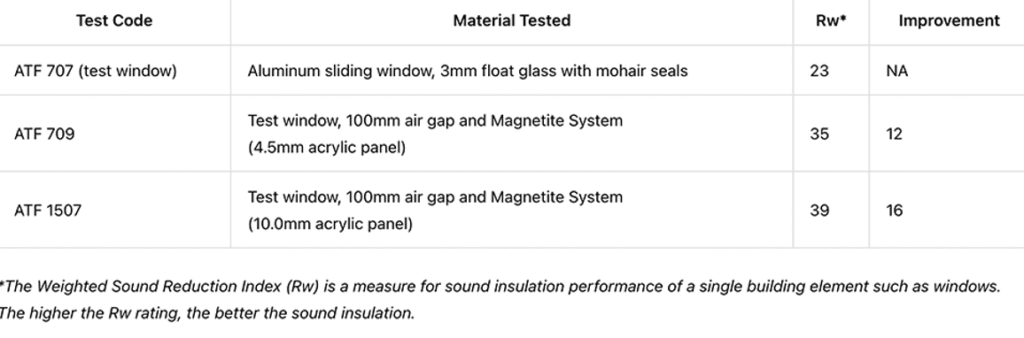
According to CSIRO, the human ear typically needs a change of about 3 dB to notice a difference in noise levels, while a 10 dB change is perceived as roughly a doubling or halving of sound.
Increasing glass thickness alone offers limited noise reduction, while laminated glass helps dampen sound more effectively. When combined with a sealed air gap, as used in Magnetite window inserts, different materials and thicknesses can be chosen to balance noise reduction, comfort, and budget.
WHAT IS MAGNETITE
Custom Fit to Reduce Drafts & Improve Energy Efficiency
Research by Dr. John Davy at the CSIRO has shown that soundproof window inserts will reduce more noise than single glazed windows or even traditional double glazed units. This is due to the large buffering air cavity between two windows. The larger the air cavity the more noise the window system can reduce.
Magnetite soundproof window inserts use an airtight magnetic seal and slim framing to create a large sealed air cavity, which is key to achieving some of the best sound insulation window performance without replacing existing windows. By pairing this wide air gap with acrylic or laminated glass, Magnetite creates sound resistant windows that effectively reduce noise across a wide frequency range from approximately 400 Hz to 20,000 Hz, including common sounds from traffic, trains, and nearby activity.
According to CSIRO, the human ear typically needs a change of about 3 dB to notice a difference in noise levels, while a 10 dB change is perceived as roughly a doubling or halving of sound.
Increasing glass thickness alone offers limited noise reduction, while laminated glass helps dampen sound more effectively. When combined with a sealed air gap, as used in Magnetite window inserts, different materials and thicknesses can be chosen to balance noise reduction, comfort, and budget.
Red Flags / What to Avoid
Avoid products that do not provide certified lab results or clear performance data (STC/OITC ratings).
Standard-sized inserts often leave gaps, reducing noise control performance.
Inserts without an airtight seal allow sound to leak through small openings around the frame.
Simply increasing glass thickness without a proper air gap will not deliver strong noise reduction.
Accurate measurements are critical. Lack of support during measuring can lead to poor fit and reduced performance.
What Our Customers Are Saying
EXCELLENTTrustindex verifies that the original source of the review is Google. I work from home and couldn't stand the sound of passing traffic and screaming kids on my street. I got Magnetite windows installed and it cut the noise right down. Of course nothing is 100%, but Magnetite windows made a massive difference. And they cost me next to nothing compared to what brand new soundproof windows would've costed. Alfredo and his team are pros. Highly recommended if you want a more peaceful home for a very reasonable price.Posted onTrustindex verifies that the original source of the review is Google. Solid 4.5, thank you to Alfredo and Jaskaran for the setup and installation! There is definitely a noticeable decrease in traffic noise, so it does work. I subtracted 0.5 since there are slight scuffs and marks on new frame, but that’s me being a perfectionist.Posted onTrustindex verifies that the original source of the review is Google. Works better than expected, it is indeed sound proofingPosted onTrustindex verifies that the original source of the review is Google. Martin and Rashad did an excellent job installing a custom-fit entire floor-to-ceiling wall of Magnetite window inserts for my guest bedroom in my condo. We were having a common issue of some construction noise in a busy Toronto location. The bedroom has been quiet and serene ever since the installation. For the amount of glass, customized fabrication, and professionalism/friendliness from Martin, I think the price was worth it for our result. I highly recommend Martin and would definitely work with him again. Thank you guys!Posted onTrustindex verifies that the original source of the review is Google. I was so extremely happy to have found a solution for soundproofing our windows. The level of service provided by Magnetite Canada was exceptional. I had a very tight deadline for the production and installation of the panels, and all my requests were accommodated and treated with utmost care. I am forever grateful for Alfredo for speeding up the production, and for Martin for his excellent and efficient work on the installation. This company is not only professional, but they also treat you with care and attention.Posted onTrustindex verifies that the original source of the review is Google. Martin and Rashad did a great job, measuring and installing, the head office staff were very professional in coordinating the work and we are very happy with the noise reduction results! Highly recommended!! Thank you Magnetite!!!Posted onTrustindex verifies that the original source of the review is Google. Great product! We got these for our floor to ceiling windows in our condo downtown, to get rid of the hum from the highway that our stock windows just didn't do a very good job of cutting out. Was a bit unsure how much of a difference they'd make, but it sure was significant and has brought a ton of calm & quiet to the room, haha. Alfredo & Martin were excellent through the process - precise communication and were on time for measurements & installation. Even though initially they had said it might be a couple of weeks, I think they had them ready and installed in pretty much a weeks time.Posted onTrustindex verifies that the original source of the review is Google. Martin did a great job making sure the measurements were accurate and installation was performed with care. He explained how to maintain the inserts and made sure everything was cleaned up after install. And Alfredo, thank you for the early delivery! We are very happy with the inserts… yes, they work!!Posted onTrustindex verifies that the original source of the review is Google. I live on a major street and my daughter was complaining about the noise of the cars passing by during the nighttime when she was trying to sleep. Alfredo responded promptly via email and Martin, their installer, came on the same day that I confirmed to take measurements of my windows. The window inserts were ready the following week. Martin did a fantastic job on the installation and it only took him about 30-45mins. Although Alfredo mentioned a 70% reduction in noise, I’ve noticed it to be much more. I cannot hear cars passing by anymore unless they have a loud exhaust or it’s a big truck. The most important thing is my daughter now sleeps well and has not mentioned even a single time about hearing the cars since we’ve installed the inserts. I am grateful to Magnetite, Alfredo, and Martin for their service and customer care. Thank you!
Our Customers Frequently Asked Us
FAQ’s
What are soundproof window inserts?
Soundproof window inserts are interior panels installed over existing windows to reduce outside noise. They create a sealed air gap that improves sound insulation without replacing the original window.
Are soundproof window inserts better than sound resistant windows?
Sound resistant windows often rely on thicker or laminated glass alone. Soundproof window inserts improve performance further by adding a sealed air space, which is one of the most effective ways to achieve the best sound insulation windows without full replacement.
How much are window inserts?
The cost of window inserts varies based on window size, material choice, and performance needs. In general, soundproof window inserts are more affordable than replacing windows while delivering strong noise reduction results. Contact us for your free estimate.
Do soundproof window inserts work for traffic and city noise?
Yes. Soundproof window inserts are designed to reduce common urban noise such as traffic, trains, and nearby activity by limiting sound transfer through existing windows
How do I measure for window inserts?
Measuring for window inserts involves recording the interior dimensions of your existing window opening. Proper measurement is essential to ensure an airtight seal and optimal noise reduction performance.You can count on our team of experts to correctly measure your windows for your custom window inserts.
What materials are used in soundproof window inserts?
Soundproof window inserts are available in materials such as acrylic and laminated glass. Each option offers different benefits, and material thickness can be selected based on noise levels, comfort goals, and budget.
Do window inserts replace existing windows?
No. Window inserts are installed on the interior side and work with your existing windows. This makes them a non-invasive alternative to full window replacement.
Are soundproof window inserts suitable for homes and commercial spaces?
Yes. Soundproof window inserts are used in residential homes, offices, classrooms, studios, and healthcare environments where reducing noise and improving comfort is a priority.
