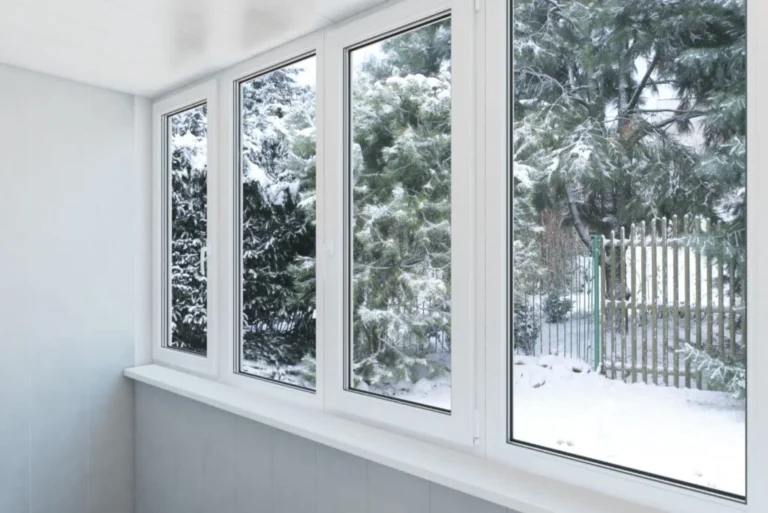
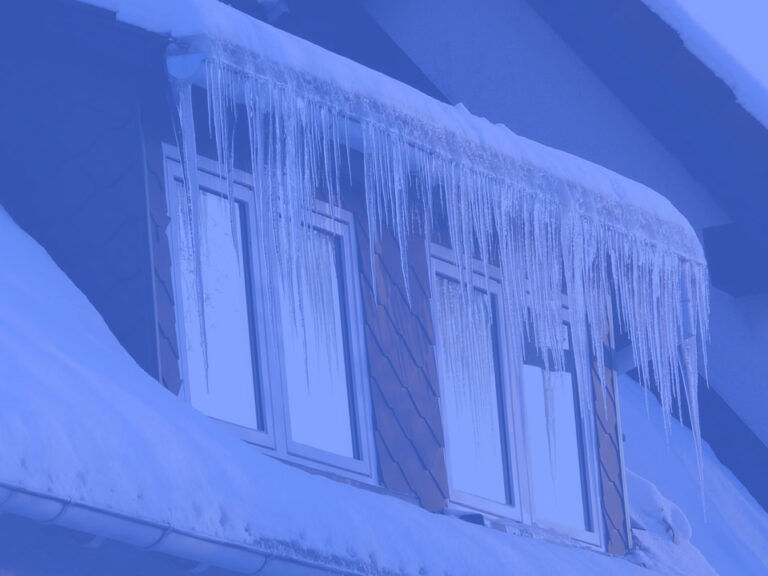
Canadian winters expose every weak point around your windows. A room may feel cold even when the furnace is running. You may notice chilly drafts near the frame, condensation on the glass, or one room that never feels as warm as the rest of the house. A report shows that windows, doors and skylights can be a major source of home energy loss, which makes winter window insulation a practical upgrade for comfort and energy control.
The good news is that you do not always need full window replacement. If your frames are still structurally sound, you can seal leaks, add insulation layers, reduce drafts, and improve window thermal insulation with the right approach. This guide explains how to insulate windows for winter without replacing them, from simple DIY fixes to longer-term retrofit options such as Magnetite Canada’s interior window inserts.
Quick Answer: How to Insulate Windows for Winter
The best way to insulate windows for winter is to first locate drafts, then seal air leaks around the frame and sash with caulk or weatherstripping. After that, add a secondary barrier such as window insulation film, thermal curtains, cellular shades, or interior window inserts.
For short-term winter comfort, DIY sealing can make a noticeable difference. For a cleaner, longer-lasting solution, custom window inserts can upgrade existing windows from the inside without removing the original frames.
Why Windows Feel Cold in Winter
A cold window is not always caused by broken glass or a failed window unit. Most winter discomfort comes from three issues: air leakage, heat transfer through glass, and cold interior surfaces.
Air leakage happens when gaps around the sash, frame, trim, or window lock allow outside air to enter. Heat transfer happens when warm indoor air loses heat through the glass. Cold interior glass can also create a chill effect making the room feel colder even when the thermostat reads a normal temperature.
This is why proper insulation of window areas matters. You are not only trying to block air. You are also trying to add a thermal layer that slows heat loss and keeps the indoor side of the window warmer.
Step 1: Find Drafts Before You Seal Windows
Before applying any product, inspect the window carefully. A rushed repair can cover the wrong area and leave the actual leak untouched.
Start by checking these areas:
- The meeting rail where two sashes come together
- The bottom sash near the sill
- The side tracks of sliding or hung windows
- The gap between trim and wall
- Cracked caulking on the interior or exterior
- Loose locks that prevent the sash from closing tightly
On a cold or windy day, move your hand slowly around the window edges. You can also use a small incense stick and watch whether the smoke moves near the frame. If you feel cold air or see smoke shifting, that is where you need to seal.
This step matters because “how do I insulate windows?” often starts with the wrong product. Film placed over glass will not fix air leaking through a broken frame seal. The right fix depends on where the heat is escaping.
Step 2: Seal Air Leaks Around Frames and Sashes
Once you find the draft, seal the air path. This is one of the simplest ways to improve window thermal insulation before winter reaches its peak.
Use removable rope caulk for temporary winter sealing around non-moving areas. It works well for renters or homeowners who want a seasonal fix that can be removed in spring. Use silicone or acrylic latex caulk for permanent gaps around trim or frame edges, depending on the surface and location.
When you seal windows in winter, avoid trapping moisture inside damaged wood or covering signs of rot. Make sure to repair the window areas first incase the frame is soft, cracked, swollen, or stained from water damage.
Step 3: Add Window Insulation Film for a Seasonal Barrier
Window insulation film is a common DIY option because it adds a temporary air layer between the room and the glass. Most kits use clear plastic film attached to the interior frame with double-sided tape, then tightened with warm air from a hair dryer.
This method can reduce drafts and make the glass feel less cold. It is useful for spare rooms, bedrooms, basements, and older windows that need a quick winter upgrade.
The downside is appearance and access. Once the film is installed, opening the window is difficult without removing the film. It can also loosen, wrinkle, or peel if the frame is dusty, damp, or uneven. It can work for almost one winter season but you may need to look for an interior insert option for year-around comfort.
Step 4: Use Thermal Curtains or Cellular Shades Correctly
Thermal curtains and cellular shades add insulation by creating a buffer between the room and the window. They are most useful at night when outdoor temperatures drop and heat loss through glass becomes more noticeable.
Choose coverings that fit close to the window and extend below the sill for better results. Gaps at the top, sides, or bottom allow warm air to move behind the curtain and cool down against the glass.
Curtains and shades are useful, but they do not seal air leaks. You need to seal gaps first if cold air is entering through them and then use curtains or shades as an added comfort layer.
Step 5: Upgrade Existing Windows with Interior Window Inserts
If you want to know how to insulate a window without plastic film, repeated caulking, or full replacement, interior window inserts are one of the highly recommended options.
Magnetite Canada’s energy saver window inserts are installed on the interior side of existing windows. They create a sealed insulating layer that reduces drafts and adds a secondary glazing barrier. This retrofit method improves comfort while preserving the original windows, which is valuable for homes, condos, commercial spaces, and heritage properties.
Unlike temporary film, inserts are custom-measured for a precise fit. They can support better year-round comfort, reduce heat loss in winter, limit heat gain in warmer months, and reduce condensation issues caused by cold glass surfaces. Homeowners dealing with moisture can also review Magnetite Canada’s guide to stop condensation on windows.
This approach is useful especially when your windows are not damaged enough to justify replacement but still feel cold, drafty, or inefficient. You can explore Magnetite’s retrofit windows for more detail on upgrading existing windows without removing the original units.
When DIY Window Insulation Is Not Enough
DIY window insulation is useful, but it has limits. If you keep sealing the same window every winter and the room still feels cold, the problem may be bigger than a small air leak.
Consider a more permanent retrofit solution if:
- The room has constant drafts near the window
- The glass feels extremely cold from inside
- Condensation keeps forming during winter
- You want to preserve existing frames or heritage windows
- You want better comfort without the cost and disruption of full replacement
- Temporary film or caulking no longer gives enough improvement
For homeowners, condos, and multi-room projects, Magnetite Canada’s residential window inserts offer a practical path between low-cost DIY fixes and full window replacement.
Final Thoughts
Learning how to insulate windows for winter starts with a simple question: is the problem air leakage, cold glass, poor insulation, or all three? Once you know the cause, you can choose the right fix.
For quick results, seal drafts, replace worn weatherstripping, and use window film or thermal coverings. For a cleaner and longer-term upgrade, Magnetite Canada’s window inserts can improve existing windows without full replacement. They are designed for Canadian homes and buildings where comfort, insulation, condensation control, and lower disruption all matter.
If your windows are still in good condition but no longer perform well in winter, you may not need to replace them. You may just need to insulate them properly.
Ready to improve winter comfort without replacing your windows? Contact Magnetite Canada to explore custom interior window inserts for your home or building.
FAQs
How do I insulate windows without replacing them?
You can insulate windows by sealing drafts with caulk or weatherstripping, applying window insulation film, using thermal curtains, and adding interior window inserts. The best method depends on whether the issue is air leakage, cold glass, or poor window thermal insulation.
What is the most affordable way to seal windows in winter?
The most affordable way to seal windows in winter is usually weatherstripping or removable rope caulk. These options work best for small drafts around sashes, sill edges, and frame gaps.
Does window insulation film really work?
Window insulation film can improve comfort by creating a temporary air barrier over the glass. It works best when the window frame is clean, dry, and already sealed against major air leaks.
Are window inserts better than plastic film?
Window inserts are a stronger long-term option because they are custom-fitted and more durable than seasonal plastic film. They also preserve existing windows while adding a secondary interior layer for insulation and comfort.
Should I replace my windows or insulate them?
If your frames are rotten, glass is cracked, or the window no longer closes properly, replacement or repair may be needed. If the windows are structurally sound but cold or drafty, insulation upgrades such as interior inserts can be a practical non-replacement option.