Introduction
Window condensation can look harmless at first. There might feel a light fog on the glass, a few water droplets near the sill or a damp frame in the morning. But when it keeps happening, it can point to a bigger comfort and moisture problem.
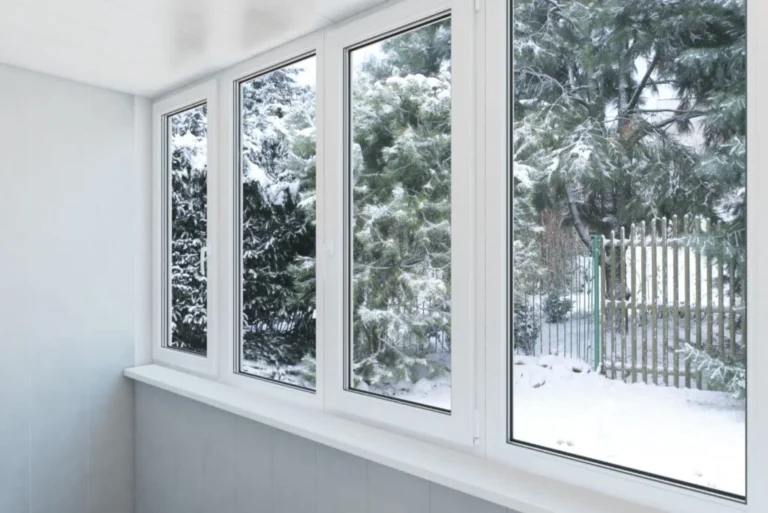
Interaction of warm indoor air with cold window surfaces may become worse during winters for Canadian homeowners. Natural Resources Canada explains that condensation happens when moist indoor air touches a cooler surface, then windows, doors, skylights, frames, seals, and surrounding walls can all become condensation points. Windows and doors can also account for up to 25% of home heat loss, which makes window performance a serious comfort and efficiency concern in colder climates.
This is where window inserts can make a practical difference. They add a fitted interior layer to existing windows, create an insulating air space, reduce drafts, and keep interior glass surfaces warmer. Inserts can be a lower-disruption alternative to full window replacement for homes dealing with condensation on windows, especially older homes, condos, heritage properties, and rooms with cold glass or air leakage.
This guide explains what causes window condensation, when it becomes a problem, and how window inserts can reduce moisture buildup without replacing the original windows.
What Causes Condensation on Windows?
Window condensation happens when warm and moisture-rich indoor air comes into contact with a cold window surface. When that air cools near the glass, it can no longer hold the same amount of water vapour, so moisture collects as fog, droplets, or frost.
Condensation usually needs three things:
- Moist indoor air
- Cold window glass or frames
- Limited airflow or ventilation around the window
That is why window condensation in winter is so common. The colder the outdoor temperature, the colder the window surface can become. If indoor humidity is high, moisture on windows becomes more likely.
Common moisture sources inside a home include cooking, showers, laundry, indoor drying racks, humidifiers, plants, poor bathroom ventilation, and crowded rooms. Health Canada recommends controlling indoor moisture by using exhaust fans, increasing ventilation, repairing leaks, and maintaining relative humidity between 30% and 50%. It also advises using a dehumidifier when moisture condenses on cold surfaces such as window panes or when relative humidity rises above 50%.
Is Window Condensation Always a Serious Problem?
Not every bit of condensation means your windows are failing. A small amount of morning fog during very cold weather may clear once the room warms up or humidity drops. The concern starts when condensation becomes regular, heavy, or long-lasting.
You should pay closer attention if you notice:
- Water pooling on window sills
- Peeling paint or swollen trim
- Black spotting near frames
- Musty odours around windows
- Frost or ice on the inside of windows
- Condensation between window panes
- Moisture returning every day even after wiping the glass
Persistent interior window condensation can damage wood, drywall, paint, caulking, and window frames. It can also create damp areas where mould may grow. Moisture problems should be corrected at the source because mould will reappear when the underlying moisture issue remains unresolved.
Condensation between window panes is different. Moisture between panes can happen when the seal is broken, which usually means the insulating glass unit needs repair or replacement. Window inserts can improve the room-side performance of existing windows, but they cannot repair a failed sealed glass unit inside a double- or triple-pane window.
How Window Inserts Help Reduce Condensation
Window inserts are custom-fitted panels installed on the interior side of existing windows. Magnetite Canada’s window inserts are designed to fit existing windows, sliding patio doors, and door glass openings, with options such as acrylic, tempered glass, and laminated glass depending on performance needs.
Their value comes from how they change the conditions that cause condensation.
1. They Add an Insulating Interior Layer
A cold glass surface is one of the main reasons condensation on the inside of windows appears. Window inserts add a second interior layer between the room and the existing window. This creates a buffer zone that reduces direct contact between warm indoor air and the cold original glass.
Magnetite inserts add an insulating layer that keeps glass warmer, reducing the temperature difference that causes condensation to form.
When the room-facing surface stays warmer, indoor air is less likely to reach dew point at the window. That means less fog, fewer droplets, and less water collecting on the sill.
2. They Create a Sealed Air Space
Air space matters! A properly fitted insert creates a still layer of air between the original window and the insert. This sealed air space acts much like the principle behind double glazing: it slows heat transfer and improves comfort near the window.
Magnetite’s secondary interior glazing layer creates a sealed air space similar to a double-pane system, reducing heat loss in winter and heat gain in summer.
For homeowners, this can mean fewer cold spots around windows and less chance of moisture collecting on glass.
3. They Reduce Drafts and Air Leakage
Drafts make condensation problems worse because they allow cold air to move around the window frame. A leaky window can create cold edges, uneven surface temperatures, and damp spots near seals or trim.
Magnetite’s system uses a magnetic perimeter seal to create an airtight closure that blocks drafts and outside air infiltration. This window moisture barrier prevents cold air from lowering glass temperatures around the frame.
When drafts are reduced, the window area stays more stable. That stability matters in rooms where condensation appears at the same corners, edges, or lower glass panels every winter.
4. They Improve Comfort Without Full Window Replacement
Many homeowners assume the only way to stop condensation on windows is to replace the windows entirely. In some cases, replacement may be needed, especially when frames are damaged or sealed glass units have failed. But many condensation problems are linked to cold interior surfaces, poor insulation, and air leakage.
Window inserts can upgrade existing windows without removing them. Magnetite inserts are professionally measured and installed, custom built to window and patio door dimensions, and designed to improve insulation, support condensation reduction, block UV, and improve comfort.
This makes inserts especially useful for:
- Older homes with single-pane or inefficient windows
- Heritage properties where original windows need to stay
- Condos where exterior window replacement may be restricted
- Home offices, bedrooms, and living rooms with cold drafts
- Homes where replacement cost is too high
- Projects where interior installation is preferred
Why Canadian Homes Struggle With Window Condensation
Canadian homes face a tough moisture balance in winter. People close windows, run heating systems, cook indoors, shower with limited ventilation, and sometimes use humidifiers to fight dry air. At the same time, outdoor temperatures can push window surfaces far below room temperature.
When the window is the coldest surface in the room, condensation often appears there first.
Window inserts address the surface-temperature side of the problem. They do not replace ventilation or humidity control, but they make the window less vulnerable to moisture by reducing cold glass exposure.
Window Inserts vs. Other Condensation Fixes
Different condensation solutions deal with different causes. The best answer often combines two or three practical actions.
| Solution | What It Addresses | Limitation |
| Wiping the glass | Removes visible moisture | Does not solve the cause |
| Running exhaust fans | Reduces indoor humidity | Needs consistent use |
| Dehumidifier | Lowers excess moisture | Does not warm cold glass |
| Recaulking/weatherstripping | Reduces small air leaks | May not improve glass insulation enough |
| Full window replacement | Replaces failing or poor-performing windows | Higher cost, more disruption |
| Window inserts | Adds insulation, sealed air space, and draft reduction | Cannot fix failed sealed panes or severe moisture sources |
Window inserts stand out because they improve the actual window surface conditions. They do not only remove moisture after it appears. They reduce the cold-surface problem that causes condensation to return.
How Magnetite Window Inserts Tackle Moisture on Windows
Magnetite Canada’s condensation solution focuses on three practical improvements: airtight sealing, insulating air space, and warmer interior glass conditions.
Magnetite inserts create a window moisture barrier, reduce fogging and dripping, and protect windows and frames from moisture damage. The system uses a magnetic seal and insulating air space to reduce the temperature difference that causes condensation.
Magnetite’s inserts are custom built for each opening which matters because gaps defeat performance. A poor-fitting insert can allow air movement, moisture migration, and uneven cold spots. A measured, fitted insert is more likely to create the continuous seal needed for condensation control.
Practical Tips to Reduce Window Condensation Alongside Inserts
Window inserts work best when they are paired with smart moisture control. Use these habits to reduce condensation problems further.
- Monitor indoor humidity
- Use kitchen and bathroom fans
- Avoid drying clothes indoors
- Keep warm air moving near windows
- Check for leaks and water sources
- Install properly fitted window inserts
Final Thoughts
Window condensation is not just a glass problem. It is a comfort, moisture, insulation, and airflow problem. Moisture happens when warm indoor air meets cold window surfaces. If it keeps happening, it can damage frames, sills, paint, and nearby materials.
Window inserts tackle the problem by changing the window environment. They add an insulating interior layer, create a sealed air space, reduce drafts, and keep room-side surfaces warmer. If your home struggles with condensation on windows, Magnetite Canada’s custom window inserts offer a practical way to improve window performance from the inside. They are especially useful where full replacement is costly, disruptive, or restricted.
Ready to reduce window condensation without replacing your windows? Get an estimate and find the right insert solution for your home.
FAQs
1. How can you stop condensation on windows?
You can reduce condensation by lowering excess indoor humidity, improving ventilation, keeping warm air moving around windows, and improving window insulation. Window inserts can also reduce condensation by adding an interior insulating layer that keeps the glass area warmer.
2. Do window inserts really reduce moisture on windows?
Yes! properly fitted inserts can reduce moisture on windows by creating a sealed air space and reducing cold drafts around the glass. They are most useful for interior condensation caused by cold window surfaces and poor insulation.
3. What causes condensation on the inside of windows?
Condensation on the inside of windows happens when warm and humid indoor air touches cold glass and cools to the dew point. This is common in winter when outdoor temperatures make window surfaces colder than the rest of the room.
4. Are window inserts better than replacing windows?
Window inserts can be a better choice when your existing windows are still structurally sound and the main issues are drafts, heat loss, noise, or condensation. Replacement may be needed when frames are damaged, glass seals have failed, or the window no longer functions properly.